

How the Wrong Clothes Dryer Can Cause Mould in Your Home

Many homeowners don’t realise that their clothes dryer can be a major source of indoor moisture, contributing to mould growth. Choosing the wrong dryer — or installing it incorrectly — can quietly increase humidity levels and create ideal conditions for mould in your home.
Understanding how different dryers work is essential for preventing mould, condensation, and indoor air quality issues.

Why Excess Moisture Causes Mould
Mould thrives in environments with:
High indoor humidity
Poor ventilation
Cool surfaces such as walls and ceilings
When moisture builds up indoors, it is absorbed into plasterboard, paint, insulation, and timber. Over time, this trapped moisture allows mould spores to grow and spread.
Traditional Heat Pump Dryers & Moisture Build-Up
Some traditional heat pump dryers, particularly older models or poorly installed units, can contribute to mould problems if moisture is not properly removed from the room.
When not vented or drained correctly, these dryers can release up to 5 litres of water vapour per drying cycle into the surrounding air. That moisture increases indoor humidity and often spreads beyond the laundry into other areas of the home.
Common mould-affected areas include:
Laundry walls and ceilings
Nearby bedrooms and hallways
Wardrobes and cupboards
Why Proper Venting and Drainage Matters
Dryers must remove moisture from the home, not recycle it into the air. Without correct venting or drainage:
Humidity levels rise quickly
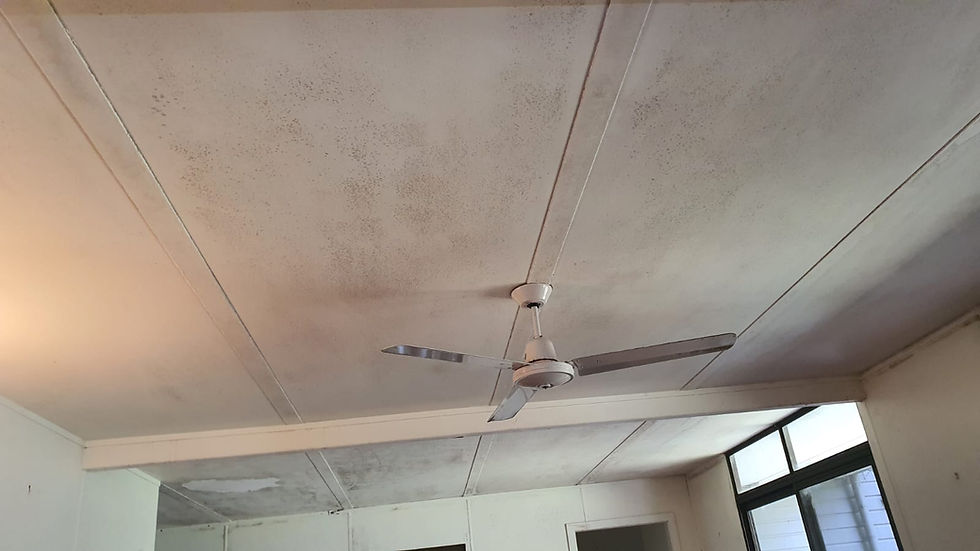
Condensation forms on walls and ceilings
Mould growth becomes far more likely
Best Dryer Options for Preventing Mould
Condenser Dryers
Condenser dryers are one of the safest options for mould prevention because:
Moisture is condensed into water
Water is collected in a container or drained to a sink
No moist air is released into the room
This significantly reduces indoor humidity and mould risk.
Modern Heat Pump Dryers (e.g. AEG 9000 Series)
New-generation heat pump dryers, such as the AEG 9000 series, are designed to:
Capture moisture efficiently
Drain or collect water safely
Maintain low indoor humidity levels
These models provide energy efficiency without contributing to mould problems when installed correctly.
Signs Your Dryer May Be Causing Mould
Condensation on laundry walls or windows
Musty smells near the laundry
Peeling paint or bubbling plaster
Black or green mould spots forming
If you notice these signs, your dryer setup may be contributing to excess moisture.

How to Protect Your Home from Mould
Choose condenser or modern heat pump dryers
Ensure correct drainage or venting
Improve laundry ventilation
Address mould early with professional mould removal services
Final Thoughts
Mould prevention starts with moisture control. Something as simple as the wrong clothes dryer can add litres of moisture to your home every day without you realising it.
By choosing the right dryer and setup, you can protect your home, your health, and your investment.
If mould is already present, Mould Wizards provides professional mould inspection, remediation, and prevention solutions.


Comments