

The Hidden Dangers of Mould: How It Affects Your Health

Mould is a common household problem that many people overlook until it becomes a serious issue. It often grows in damp, dark places and can spread quickly if not addressed. But beyond being an unsightly nuisance, mould poses real risks to your health. Understanding these dangers is crucial for homeowners, parents, families, and business owners who want to maintain a safe and healthy environment.

What Is Mould and Where Does It Grow?
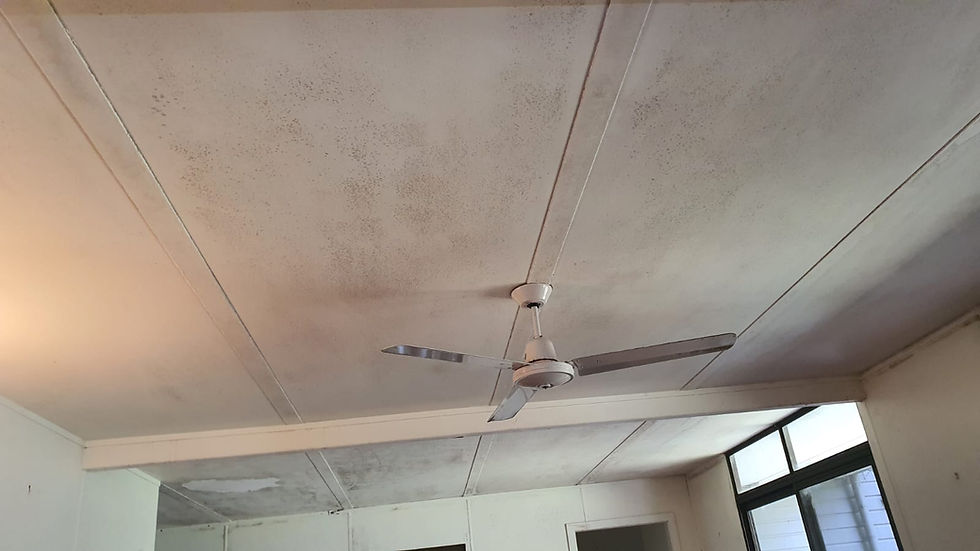
Mould is a type of fungus that thrives in moist environments. It reproduces by releasing tiny spores into the air, which can settle on surfaces and grow if conditions are right. Common places where mould appears include:
Bathrooms and kitchens, especially around sinks and showers
Basements and crawl spaces with poor ventilation
Areas with water leaks or flooding damage
Walls and ceilings with condensation problems
Behind furniture and picture frames
Window frames and door frames
Mould can appear in various colours such as black, green, white, or grey. While some types are harmless, others produce substances called mycotoxins that can be harmful to humans.
How Mould Affects Your Health
Exposure to mould can cause a range of health problems, especially for sensitive groups like children, elderly people, and those with respiratory conditions. Here are some of the main health effects linked to mould:
Respiratory Issues
Mould spores can irritate the respiratory system. People exposed to mould may experience:
Coughing and wheezing
Nasal congestion and sneezing
Throat irritation
Shortness of breath
Those with asthma or chronic lung diseases may find their symptoms worsen when exposed to mould.
Allergic Reactions
Many people develop allergic reactions to mould spores. Symptoms can include:
Itchy, watery eyes
Skin rashes or hives
Runny nose
Sneezing fits
Repeated exposure can increase sensitivity, making allergic reactions more severe over time.
Toxic Effects
Certain mould species produce mycotoxins, which are toxic compounds that can affect the nervous system and immune response. While rare, prolonged exposure to toxic mould can lead to:
Headaches and dizziness
Fatigue and weakness
Difficulty concentrating
Immune system suppression
Scientific studies continue to explore the full impact of mycotoxins on human health, but caution is advised when mould growth is extensive.
Who Is Most at Risk?
Some people are more vulnerable to mould-related health problems:
Children: Their developing lungs and immune systems make them more sensitive.
Elderly individuals: Age-related health issues can increase risks.
People with asthma or allergies: Mould can trigger or worsen symptoms.
Those with weakened immune systems: Including people undergoing chemotherapy or with chronic illnesses.
Families with young children or elderly members should be especially vigilant about mould prevention and removal.

How to Prevent Mould Growth
Preventing mould is the best way to protect your health. Here are practical steps to reduce mould risk in your home or business:
Control moisture: Fix leaks promptly and use dehumidifiers in damp areas.
Improve ventilation: Use exhaust fans in bathrooms and kitchens. Open windows when humidity levels are lower outside.
Keep surfaces dry: Wipe down wet areas, clean condensation and avoid leaving standing water.
Clean regularly:
Consistent dusting and cleaning are essential for a healthy living space, as dust and dirt serve as food for mould.
Monitor humidity levels: Keep indoor humidity below 60%, ideally between 30-50%.
What to Do If You Find Mould
If you discover mould in your home or business, act quickly:
Small patches (less than 1 square meter) can often be cleaned with vinegar, tea tree oil or clove oil.
Wear protective gloves and a mask to avoid inhaling spores during cleaning.
For larger infestations or toxic mould, contact your professional mould remediation service.
Address the source of moisture to prevent mould from returning.
Ignoring mould can lead to worsening health problems and costly damage to your property.
When to See a Doctor
If you or your family members experience persistent respiratory symptoms, allergic reactions, or unexplained fatigue and headaches, consider consulting a healthcare professional. Mention any known mould exposure so they can provide appropriate advice or testing.
Mould is more than just an unpleasant sight; it can seriously affect your health and well-being. By understanding where mould grows, how it impacts your body, and how to prevent and remove it, you can protect your home and loved ones. Take action early to keep your environment safe and comfortable.


The content is presented in a clear and well-organised way. I found a lot of useful information that I did not know before. I took notes on some of the points that seemed particularly relevant. It is a text that stands out for the quality and clarity of the information.